Our own beautiful sugarcane
An imminent trip to a sugarcane mill near Piracicaba,
with my lab colleagues,
warrants an exposition of words
on our own beloved cane !
The Skin – the waves of the sea;The curved waist – the beaches;
The breast – the mountains;
The hair – the forest;
The silhouette – the gracefulness of the carioca woman;
And at the feet of the statue the ibis.
I
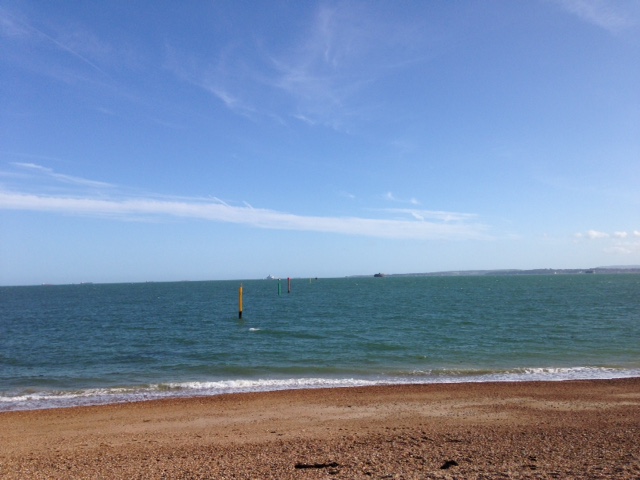
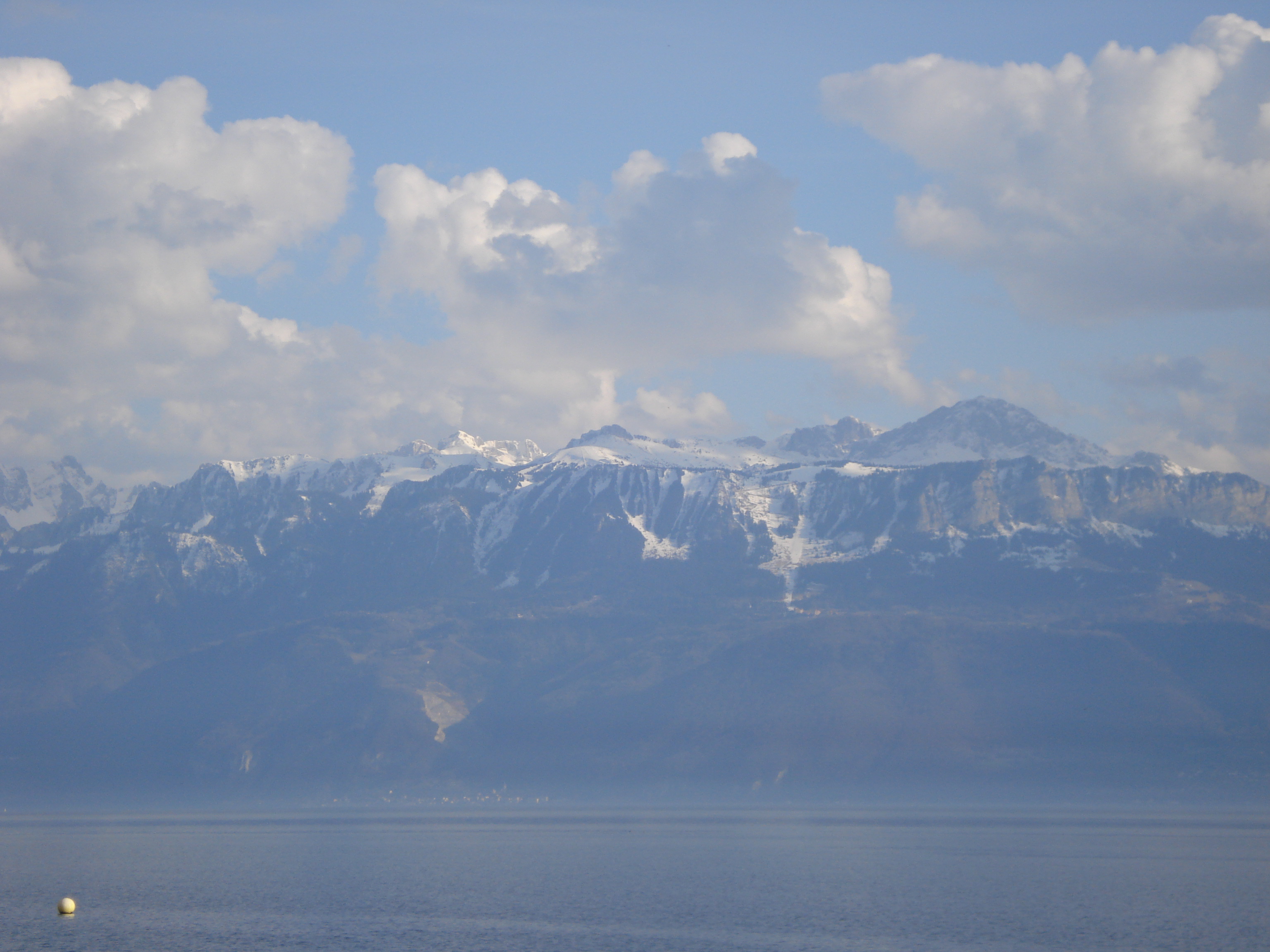
Water has the ability to blend with the surroundings. Named as Agua, Aqua, Jal, Paani in a variety of languages. Didn’t you notice its multiple personalities as snow, ice, vapor, steam? Remember the early morning dew? What an ethereal pleasure to walk on the grass, wet with morning dew, in the dawn of the day. Water has the innate ability to encompass everything on its way. Like a mother having an enormous bosom for her loved ones. The first drop of food has water as the main ingredient. Kudos to our Water.
Who wants not to be no-one?
If I am someone, am I happy ?
Does happiness equals becoming?
Merciful rain clasps soil.
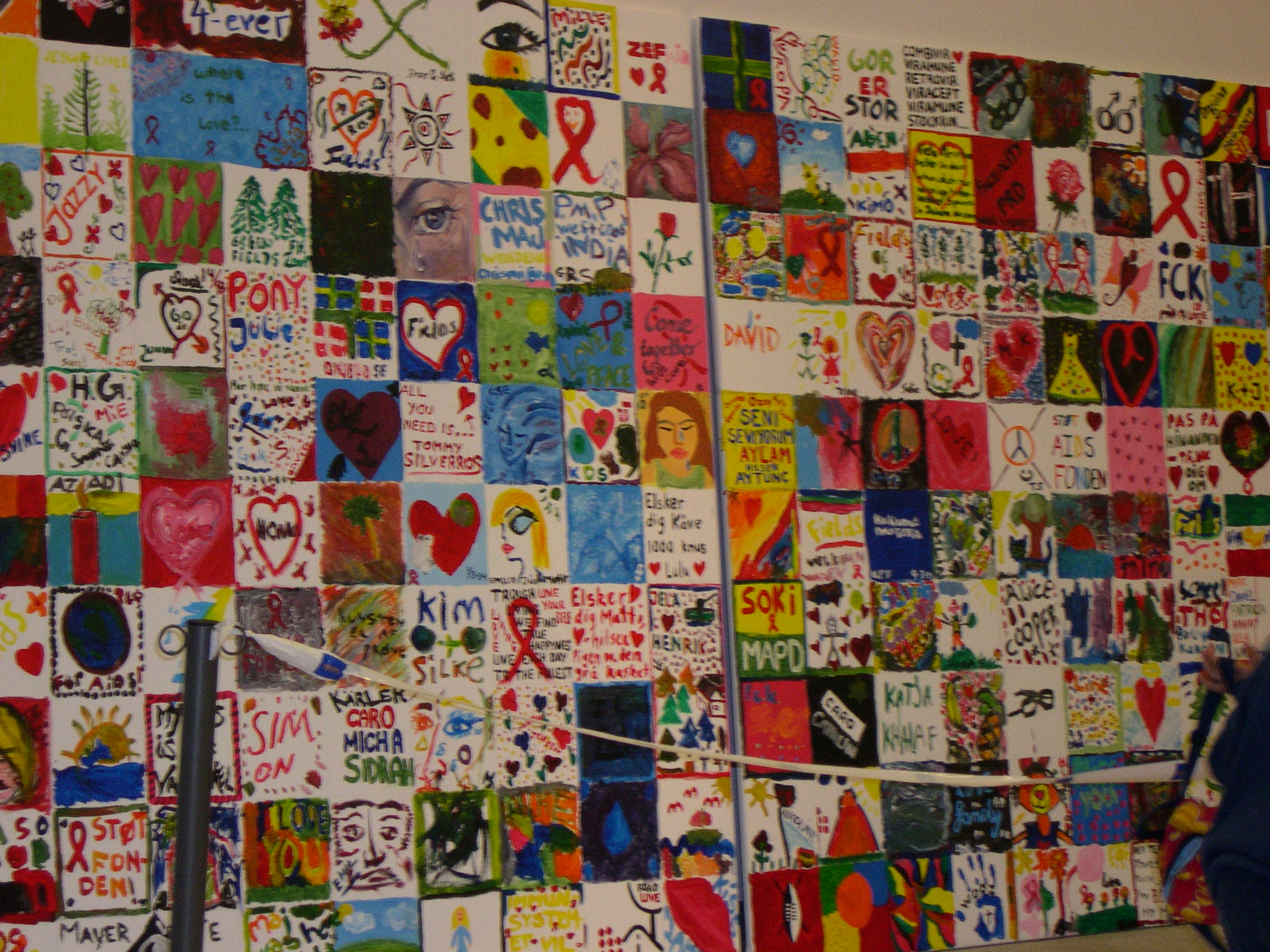
It was nice to see people playing. Of all ages. I see small babies crawling on foam cushion
on the floor. I see younger children tight rope walking assisted by volunteers.
I see women and men skateboarding with long skates. I see an intense table tennis match.
It was good to see teenage boys doing something different so that they are not stereotyped.
The ball wants to be free but it is contained in a quadrangle on either side.
Eu tenho liberdade, eu tenho escolha, (I have freedom and I have choice) the ball screams !
Samba flows in the feet of a damselfly fluttering the air.
I saw a women with white blotch all over her body. I see a man with tennis shoes,
with white spots all over his body. I see a lady whose dance movements
were like leaves under a gust.
I see an injured gigantic grasshopper.
I see ants devouring it already
from her distal end.
I weep. Why does life have to be so cruel.
Why do I have to witness such violence.
Is this what is called the survival of the fittest ?
I wrote this for the student magazine at DTU, in Copenhagen, in 2004 when I was still a PhD student.
I

Mortal humans defy nature and
struggle to live longer. Rich become
richer, poor become poorer
and the economic disparity favors
the moneyed to thrive. To change
the ethics Mother Nature has nurtured.
I
Is this not the irony of the human mind?
When you possess something, you seem not to miss.
Yet, when you don’t have that very thing, you care a great deal.
A dot can easily become a star on a paper.
I wonder how I would impart its white colour;
Colour white per se does not exist,
Yet, many yearn to have white skin.
Why this repulsiveness towards our own skin?
After all acceptance has to come from oneself.
Even if the whole world accepts LGBT people,
Often the most difficult step is to accept oneself.

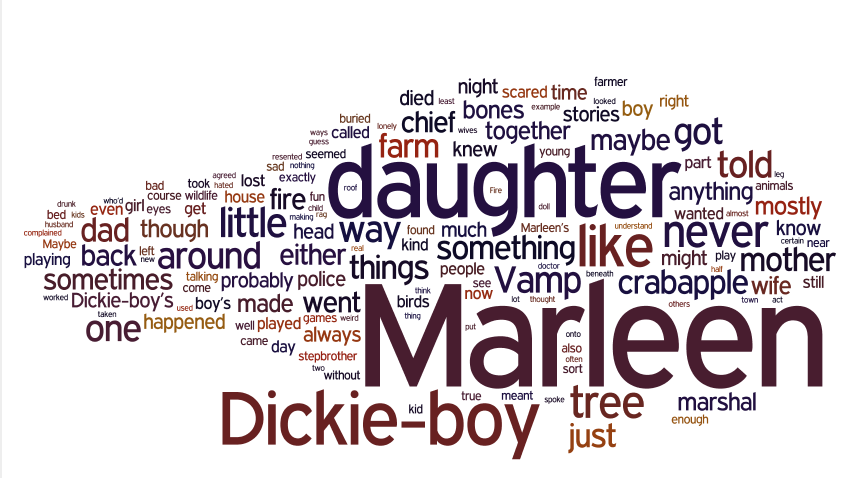
This happened here in our town. A friend of mine—we were on the cheerleading team together—married a local farmer, and right away they wanted to have a baby, though the doctor said she shouldn’t. She was a bleeder, he said, and if she started he might not be able to stop it. But she didn’t listen. She went ahead and got pregnant, then bled to death during childbirth and was buried out by the farmhouse, under a crabapple tree. It was very sad. I cried for a week. But the baby survived, a pretty little boy; his dad called him Dickie-boy, but I don’t know if that was his real name. Read more of the story by Robert Coover at The New Yorker.
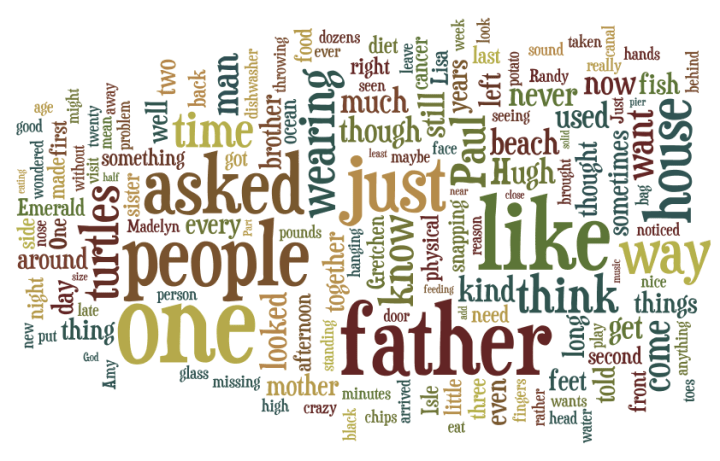
As I grow older, I find that the people I know become crazy in one of two ways. The first is animal crazy—more specifically, dog crazy. They’re the ones who, when asked if they have children, are likely to answer, “A black lab and a sheltie-beagle mix named Tuckahoe.” Then they add—they always add—“They were rescues!” Read more this article by David Sedaris, for ‘The New Yorker Magazine’ here.

 Perpetual Motion of Thought