
Tryst with destiny

IMG_2953
Four circles sliding down
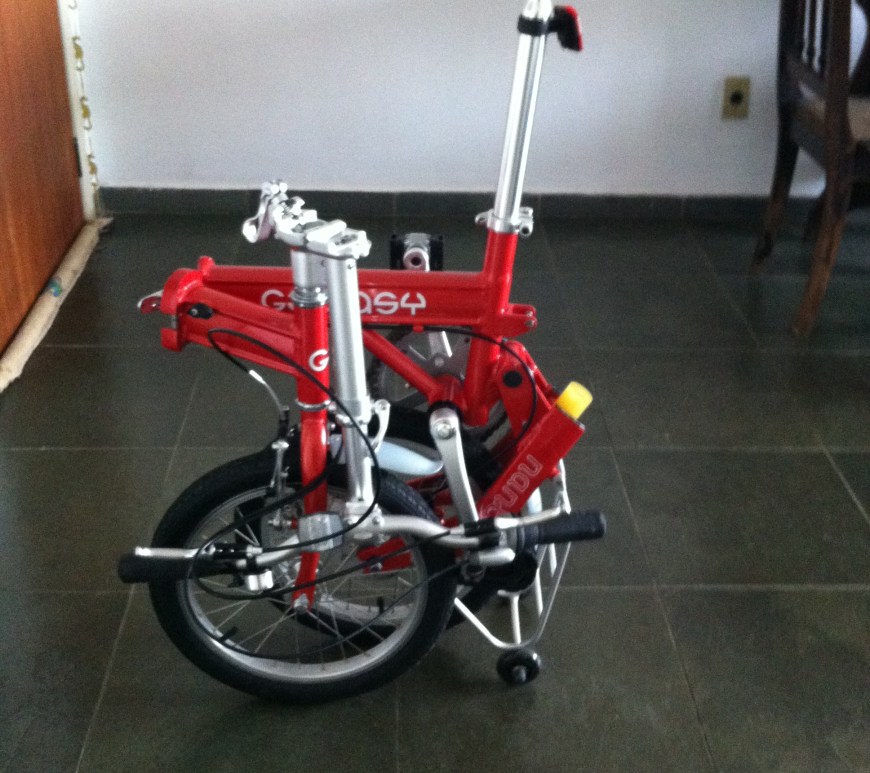
With all certainty, I sadly proclaim that my bicycle was stolen on 14 January , just a few days after I came back from India. I parked it opposite the jackfruit tree, in FEA, tied to the wall by a thick chain, like a goat tied to a tree. Despite these thick and thin locks, the person who wanted this very bike so badly, deftly managed to snaffle it by hoodwinking everyone in the courtyard. We must, proudly, appreciate his/her skill at cutting locks in broad daylight.

Continue reading “Tryst with destiny”

World energy needs as Itaipu dam equivalents

IMG_0949

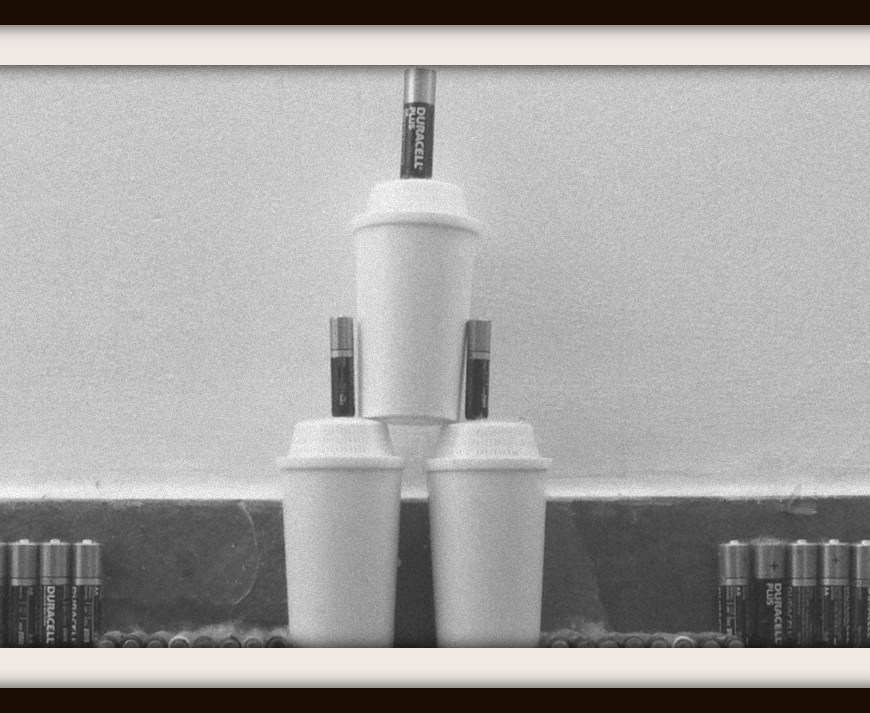
Humans have an intuitive sense for numbers. We know that 100 is smaller than 1000 and that a 4GB memory card stores less data than a 16GB one. Bearing this in mind, it was decided to approach the energy needs of Brazil and the world. Nowadays, it is very common to see a pie chart or a bar graph depicting various forms of energy consumption, in newspapers, televisions and magazines. One often wonders if these numbers makes any sense to a layperson. Is it possible to build on their numeracy skills, to further understand, say, their country’s needs? Continue reading “World energy needs as Itaipu dam equivalents”

PE-2 and CEN.PK meeting 6: the lost art of writing

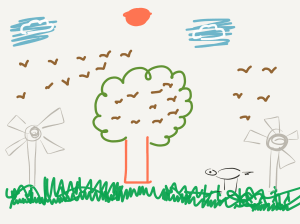
PE-2 writes a letter to CEN.PK as CEN.PK could not bear the heat of Brazil. It decided to hibernate in the labs of Peter Kotter or undergo another evolution experiment at Nielsen’s lab in Chalmers. Though the bond between Seine and Petruska is purely of platonic nature, PE-2 misses Seine. It decides to write by jotting down the thoughts in its DNA as the Swiss scientists recently shown that information stored in DNA can survive for eons. Continue reading “PE-2 and CEN.PK meeting 6: the lost art of writing”

Public perceptions of energy consumption

In a national online survey, 505 participants reported their perceptions of energy consumption and savings for a variety of household, transportation, and recycling activities. When asked for the most effective strategy they could implement to conserve energy, most participants mentioned curtailment (e.g., turning off lights, driving less) rather than efficiency improvements (e.g., installing more efficient light bulbs and appliances), in contrast to experts’ recommendations. For a sample of 15 activities, participants … Continue reading Public perceptions of energy consumption