Tryst with destiny


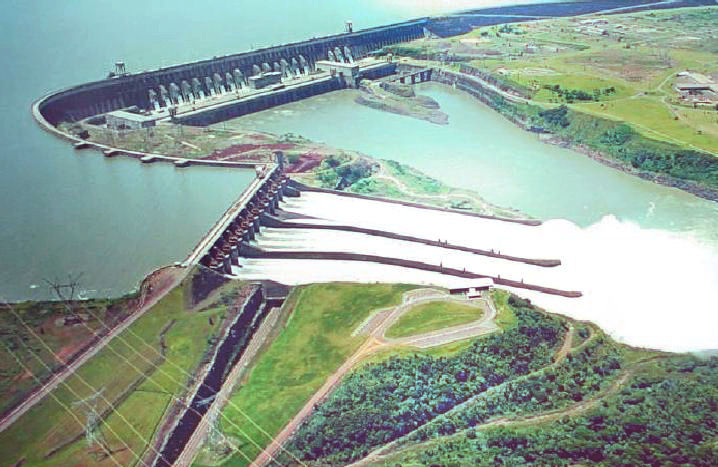
Humans have an intuitive sense for numbers. We know that 100 is smaller than 1000 and that a 4GB memory card stores less data than a 16GB one. Bearing this in mind, it was decided to approach the energy needs of Brazil and the world. Nowadays, it is very common to see a pie chart or a bar graph depicting various forms of energy consumption, in newspapers, televisions and magazines. One often wonders if these numbers makes any sense to a layperson. Is it possible to build on their numeracy skills, to further understand, say, their country’s needs? Continue reading “World energy needs as Itaipu dam equivalents”
Climate change and health In a 2014 article published in the British Medical Journal, James Milner and his co-authors outlined how some home energy efficiency improvements could cost lives by increasing indoor radon exposure and the resultant risk of developing lung cancer. read more in The Conversation. *** Veritasium on climate change misconceptions. *** Climate change and Food Recent studies show that current trends in … Continue reading Climate change – Food, Health and Misconceptions
Lately, climate change has become a hot topic. Everyone seems to have an opinion about it. I spoke to my sister yesterday and she said that there had been no rain for the past several months in Tamil Nadu, a state in South India with a population of 80 million, while in Kashmir the rivers were in spate. She attributed this to the Ozone layer … Continue reading Our beliefs and our destiny
This was the topic for the Marks & Spencer and Cranfield University school of Management’s sustainable retailing challenge 2012. This video was made by the Warwick Business School’s distance learning MBA students and students have to address the issue of sourcing roses keeping the triple bottom line (people, planet and profit) in mind. What I found interesting is the way in which the issue was addressed … Continue reading Sustainably sourcing UK Roses