Our own beautiful sugarcane
An imminent trip to a sugarcane mill near Piracicaba,
with my lab colleagues,
warrants an exposition of words
on our own beloved cane !
The Skin – the waves of the sea;The curved waist – the beaches;
The breast – the mountains;
The hair – the forest;
The silhouette – the gracefulness of the carioca woman;
And at the feet of the statue the ibis.
I
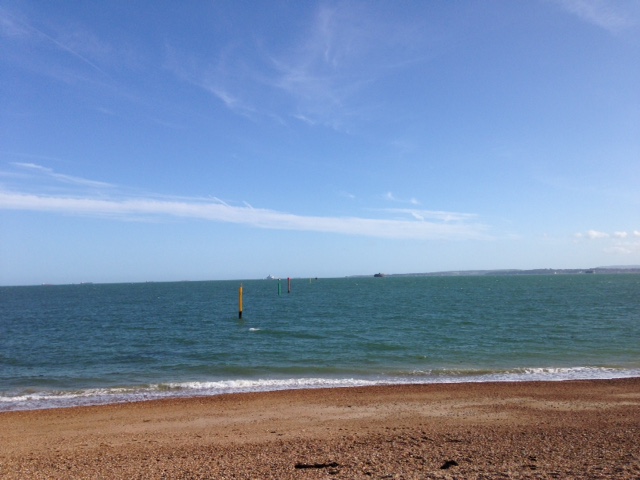
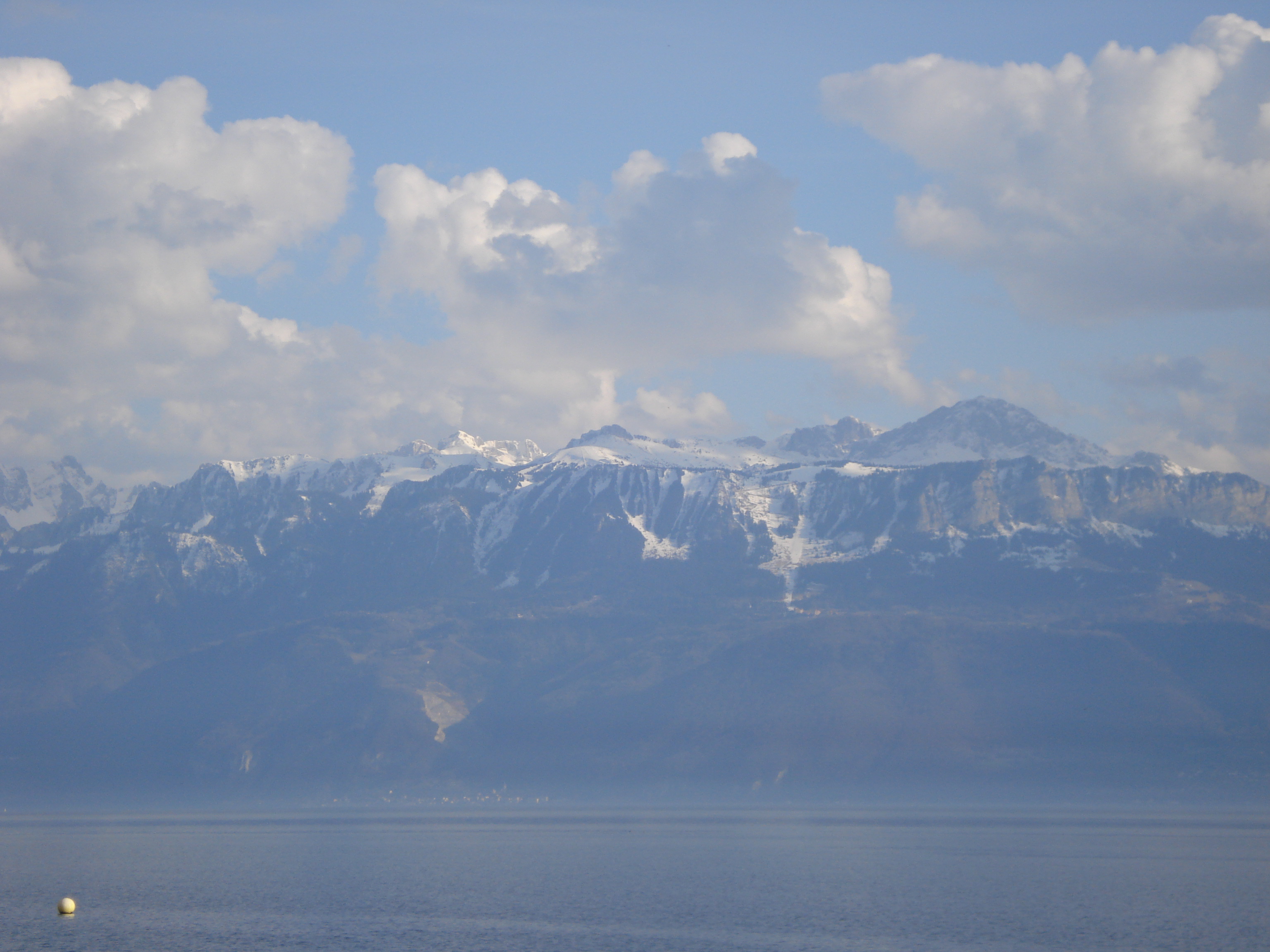
Water has the ability to blend with the surroundings. Named as Agua, Aqua, Jal, Paani in a variety of languages. Didn’t you notice its multiple personalities as snow, ice, vapor, steam? Remember the early morning dew? What an ethereal pleasure to walk on the grass, wet with morning dew, in the dawn of the day. Water has the innate ability to encompass everything on its way. Like a mother having an enormous bosom for her loved ones. The first drop of food has water as the main ingredient. Kudos to our Water.

Things derive their being and nature by mutual dependence and are nothing in themselves. Buddhist Philosophy.
Who wants not to be no-one?
If I am someone, am I happy ?
Does happiness equals becoming?
Merciful rain clasps soil.
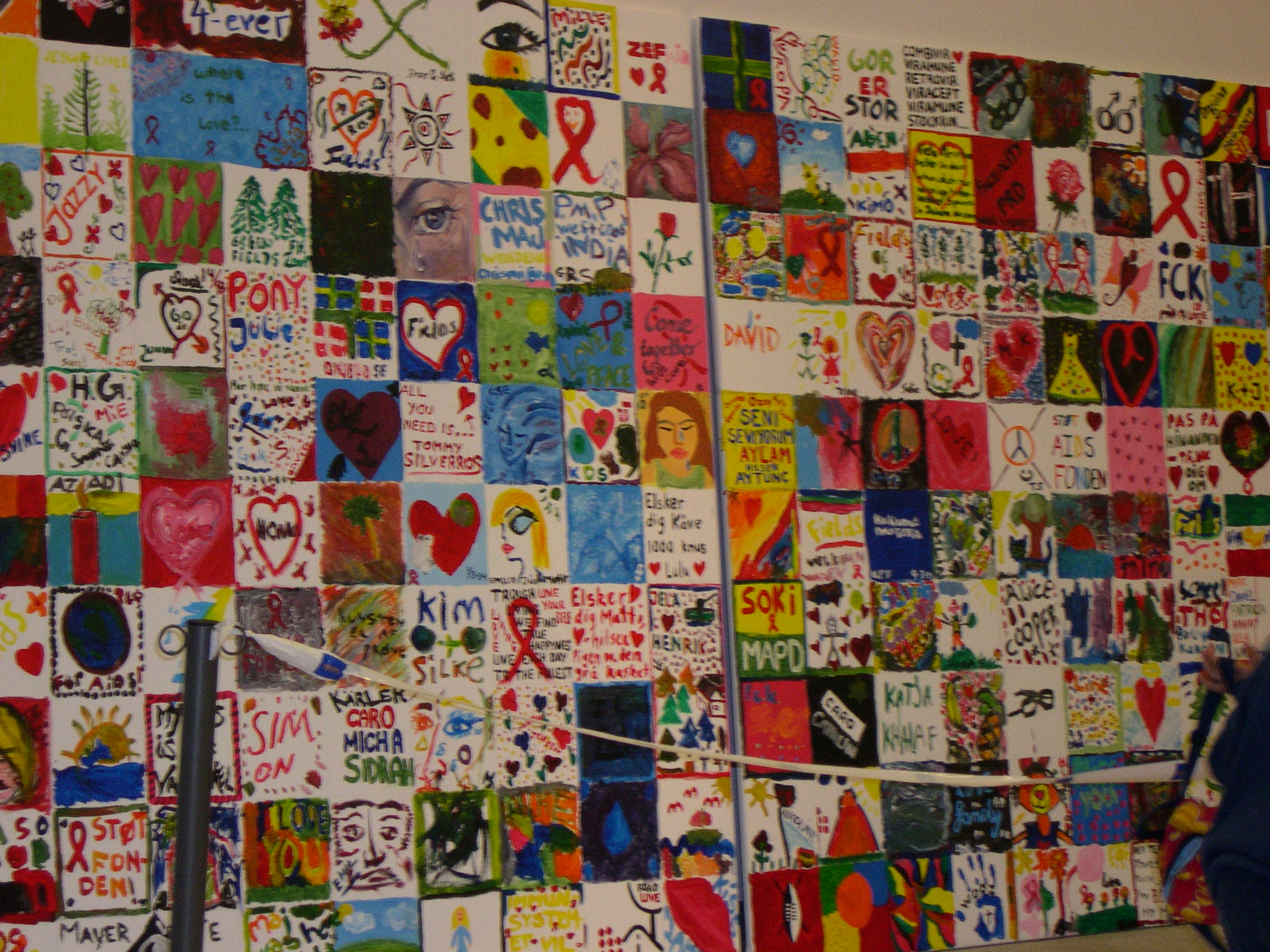
It was nice to see people playing. Of all ages. I see small babies crawling on foam cushion
on the floor. I see younger children tight rope walking assisted by volunteers.
I see women and men skateboarding with long skates. I see an intense table tennis match.
It was good to see teenage boys doing something different so that they are not stereotyped.
The ball wants to be free but it is contained in a quadrangle on either side.
Eu tenho liberdade, eu tenho escolha, (I have freedom and I have choice) the ball screams !
Samba flows in the feet of a damselfly fluttering the air.
I saw a women with white blotch all over her body. I see a man with tennis shoes,
with white spots all over his body. I see a lady whose dance movements
were like leaves under a gust.
I see an injured gigantic grasshopper.
I see ants devouring it already
from her distal end.
I weep. Why does life have to be so cruel.
Why do I have to witness such violence.
Is this what is called the survival of the fittest ?
I wrote this for the student magazine at DTU, in Copenhagen, in 2004 when I was still a PhD student.
I

Mortal humans defy nature and
struggle to live longer. Rich become
richer, poor become poorer
and the economic disparity favors
the moneyed to thrive. To change
the ethics Mother Nature has nurtured.
I
Is this not the irony of the human mind?
When you possess something, you seem not to miss.
Yet, when you don’t have that very thing, you care a great deal.
A dot can easily become a star on a paper.
I wonder how I would impart its white colour;
Colour white per se does not exist,
Yet, many yearn to have white skin.
Why this repulsiveness towards our own skin?
After all acceptance has to come from oneself.
Even if the whole world accepts LGBT people,
Often the most difficult step is to accept oneself.
What happens after we die. What is the microbiome signature of a human being ?
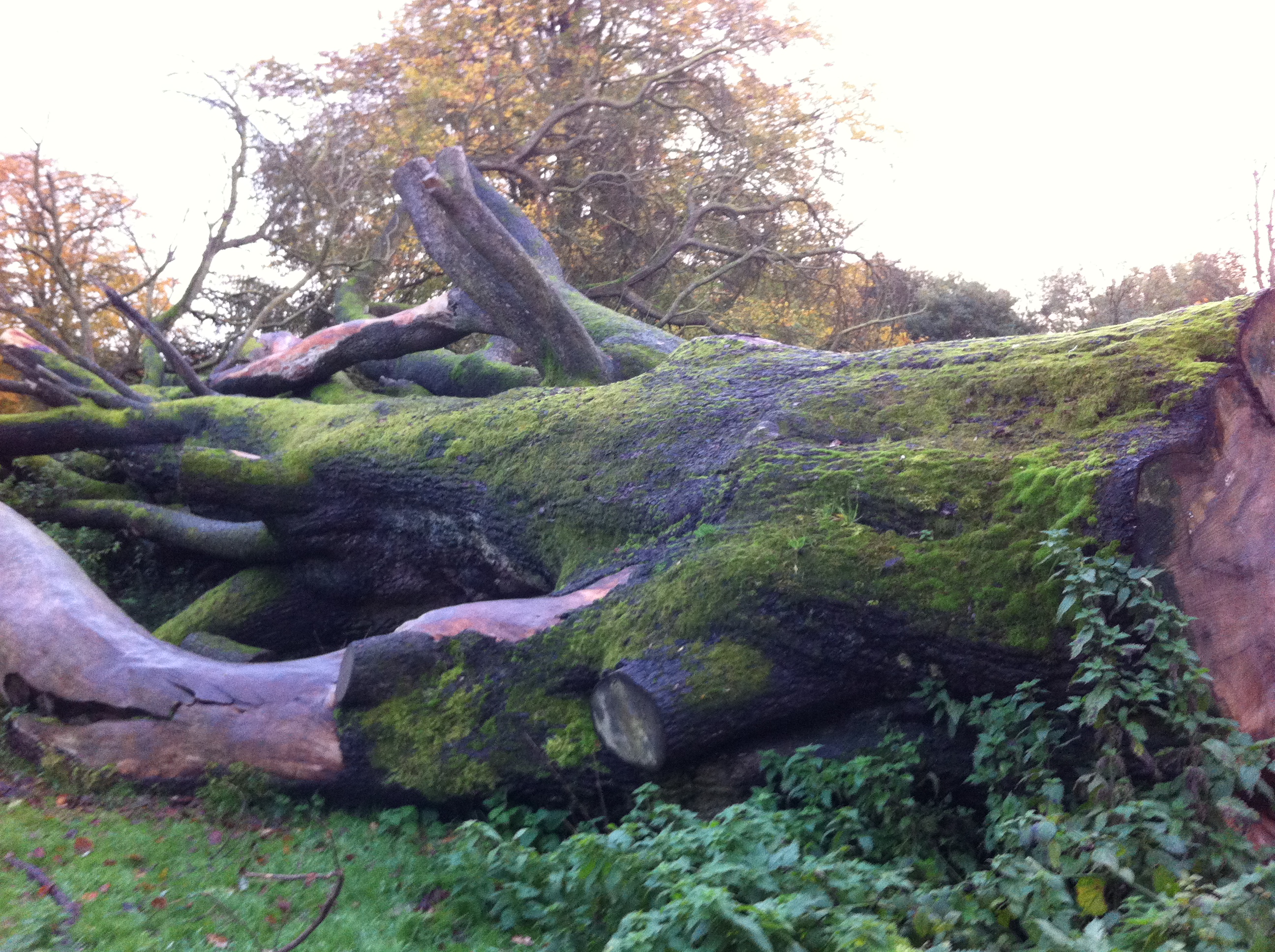
1. Internally derived microbes are the major control on internal preservation
Gut microbes are the main driver of tissue decay when animals die, and were probably important for preserving soft-tissue anatomy in fossil animals.
Philip Donoghue at the University of Bristol, UK, and his colleagues studied the brine shrimp and monitored its decay (pictured, middle and right) under various conditions. They found that soon after death, the shrimp’s gut wall breaks open and bacteria spill out into the body cavity. The bacteria form sticky aggregates, or biofilms, that gradually replace shrimp tissue and contain mineral deposits, as revealed by microscopy. This mineralization is a key step in tissue preservation in fossils. Evolution of the gut led to an explosion in both animal diversity and the abundance of fossils, the authors say. Royal Society Publishing Proceedings B. 13 May 2015. Open access.

 Perpetual Motion of Thought