Research News – 9 – On Proteins

There have been so many interesting research news over the last six months that I decide to give them all in one installment. It may make a good holiday reading. The first in this series is about proteins in general.

1. Exploring the limits of protein sequence space
Exploring the variability of individual functional proteins is complicated by the vast number of combinations of possible amino acid sequences. Podgornaia and Laub take on this challenge by analyzing four amino acids critical for the interaction between two signaling proteins in Escherichia coli. They build all the possible 160,000 variants of one of the two proteins and find that over 1650 are functional. Even though there can be very high variability in the composition of the interface between the two proteins, there are nonetheless strong context-dependent constraints for some amino acids, which suggests why many functional variants are not seen in nature. Science STKE 10 Feburary 2015.
IMG_0092 Continue reading “Research News – 9 – On Proteins”

PE-2 and CEN.PK meeting 9: Outuno

Gosh it has indeed been a long time. Yes it is. Yes it is. So comment Petruska and Seine meet after their long break.

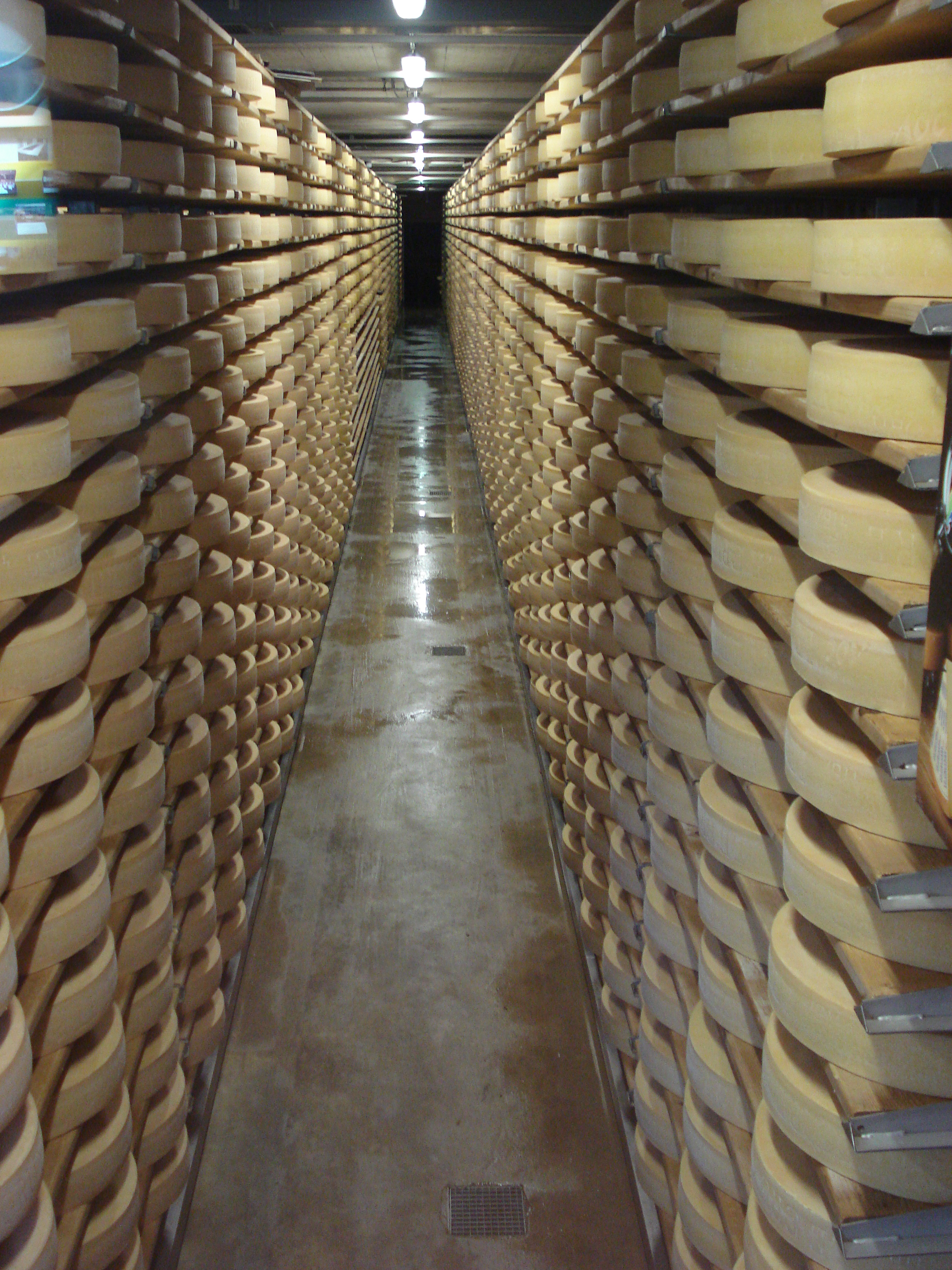
Gruyere cheese stacked, Gruyere, Switzerland.
Gruyere cheese stacked,
Gruyere, Switzerland.

They

share their

hobbies and their

passion over a cup of

earl grey tea at Caracoli,

a cafe located in Alresford,

a village with maximum number of millionaires.

Such hedonists they were, they decide to go out for a drink to taste what they have produced through hard work.

Was it hard they surmise ?

Continue reading “PE-2 and CEN.PK meeting 9: Outuno”

PE-2 and CEN.PK meeting 8: Spring

Petruska and Seine see each other after a long summer vacation. Spring is in the air and they remember this beautiful song by Nina Simone titled ‘Another Spring‘ the sugarcane cutters were listening to in the North. Our heart melts listening to the mellifluous voice of Nina. Petruska asked Seine to watch this video of the sugarcane cutters who form alphabets in English, by twisting, bending and curling the intractable cane,

IMG_0807

Continue reading “PE-2 and CEN.PK meeting 8: Spring”

PE-2 and CEN.PK meet (No.7) and earnestly salute women

Though CEN.PK and PE-2 also have two different mating types, they decide not to discuss about gender, as they feel it is a strange belief introduced by the humans. Today being the international women’s day, they decide to come together and give an earnest salute to all the women on the planet who are alive now and also for all those unsung heroines, who had given their lives, hearts and souls, for their families. Continue reading “PE-2 and CEN.PK meet (No.7) and earnestly salute women”

PE-2 and CEN.PK meeting 6: the lost art of writing

PE-2 writes a letter to CEN.PK as CEN.PK could not bear the heat of Brazil. It decided to hibernate in the labs of Peter Kotter or undergo another evolution experiment at Nielsen’s lab in Chalmers. Though the bond between Seine and Petruska is purely of platonic nature, PE-2 misses Seine. It decides to write by jotting down the thoughts in its DNA as the Swiss scientists recently shown that information stored in DNA can survive for eons. Continue reading “PE-2 and CEN.PK meeting 6: the lost art of writing”

PE-2 and CEN.PK meeting 5: Abhor

WP_20141222_16_47_42_Pro

CEN.PK: Hi Petruska, did you hear what happened in Copenhagen ? Something terribly deplorable has taken place in Osterbro, where Vijay lived for two years from 2003 to 2005.

PE-2: I am really sorry to hear that Seine. I remember Vijay could not sleep well last week, as the question of identity was bothering him the whole night. I took a peek at his thought system and all I could find was this one recurring thought:

‘Why do human beings strongly associate with something and would go to any extent to nourish it’ ?

Continue reading “PE-2 and CEN.PK meeting 5: Abhor”

Short stories

ShortStories

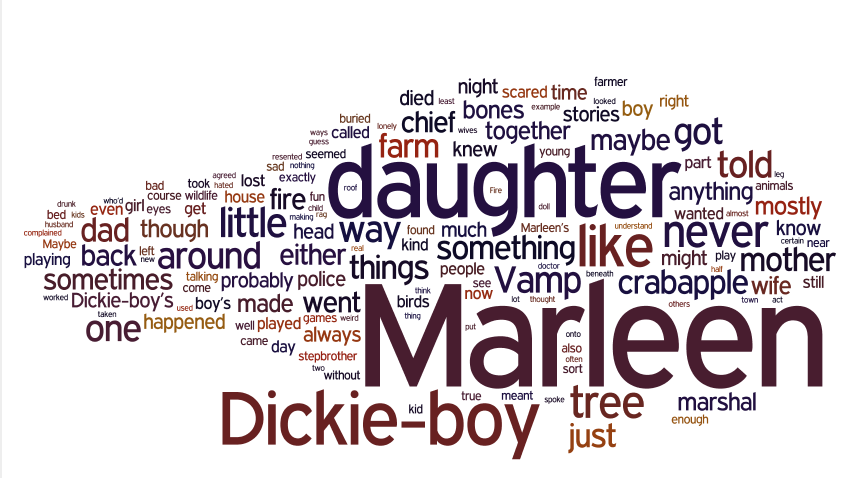
The crabapple treeThis happened here in our town. A friend of mine—we were on the cheerleading team together—married a local farmer, and right away they wanted to have a baby, though the doctor said she shouldn’t. She was a bleeder, he said, and if she started he might not be able to stop it. But she didn’t listen. She went ahead and got pregnant, then bled to death during childbirth and was buried out by the farmhouse, under a crabapple tree. It was very sad. I cried for a week. But the baby survived, a pretty little boy; his dad called him Dickie-boy, but I don’t know if that was his real name. Read  more of the story by Robert Coover at The New Yorker.

Continue reading “Short stories”

Research News – 7

My research work focuses on first and second generation ethanol. The scientific community are large are bioprospecting for better cellulases and lignocellulose decontructors. Termites, although a nuisance when it shares its space with humans, could be a welcome guest for others.

Termite mounds can increase the robustness of dryland ecosystems to climatic change

Spotty vegetation patterns in tropical savannas and grasslands can be a warning sign of imminent desertification. However, Bonachela et al. find that termites can also produce spotty patterns. Their theoretical study, confirmed by field data from Kenya, shows that patterns produced by termite mounds are not harbingers of desertification. Indeed, the presence of termites buffers these ecosystems against climate change.

Editor’s summary, Science magazine.

Continue reading “Research News – 7”

Short stories

ShortStories

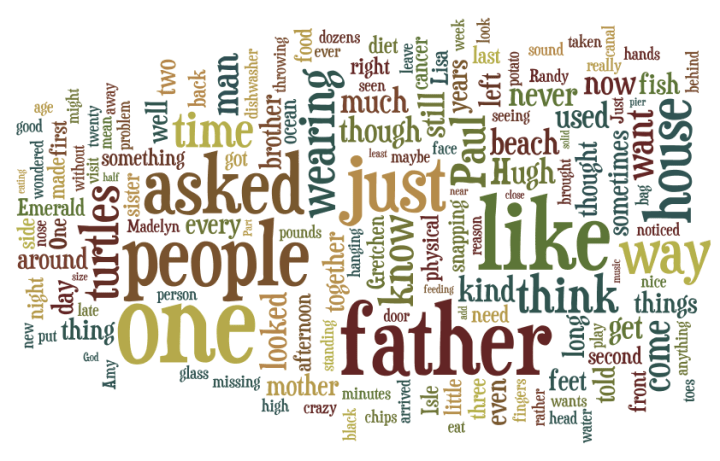
Ways to have fun at the beachWays to have fun at the beach

As I grow older, I find that the people I know become crazy in one of two ways. The first is animal crazy—more specifically, dog crazy. They’re the ones who, when asked if they have children, are likely to answer, “A black lab and a sheltie-beagle mix named Tuckahoe.” Then they add—they always add—“They were rescues!” Read more this article by David Sedaris, for ‘The New Yorker Magazine’ here.

Continue reading “Short stories”